
Lighting Tower Management
Know every lighting tower is ready when you need it.
Why Remote Lighting Tower Management Matters
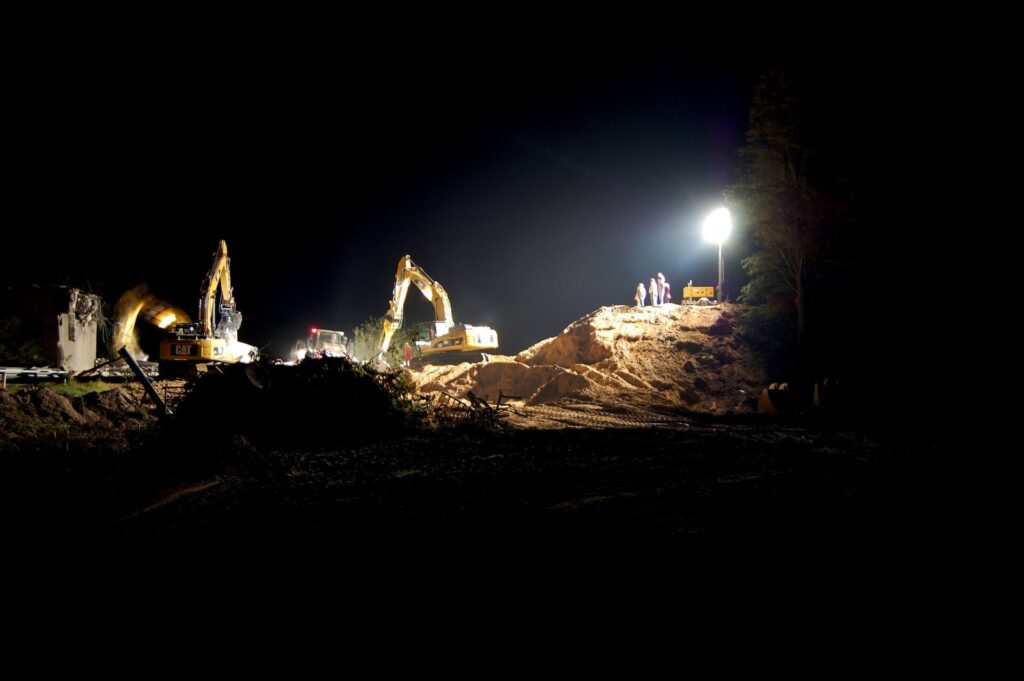
Lighting towers are often deployed across construction sites, mines, roadworks and temporary infrastructure projects where unnecessary site visits are expensive and equipment failures can disrupt operations. Remote monitoring provides continuous visibility of fuel level, battery condition, operating hours and equipment location, helping operators reduce downtime, improve fleet utilisation and respond quickly when problems occur.
Low fuel

Batery flat

Light failed

Misplaced

Left running
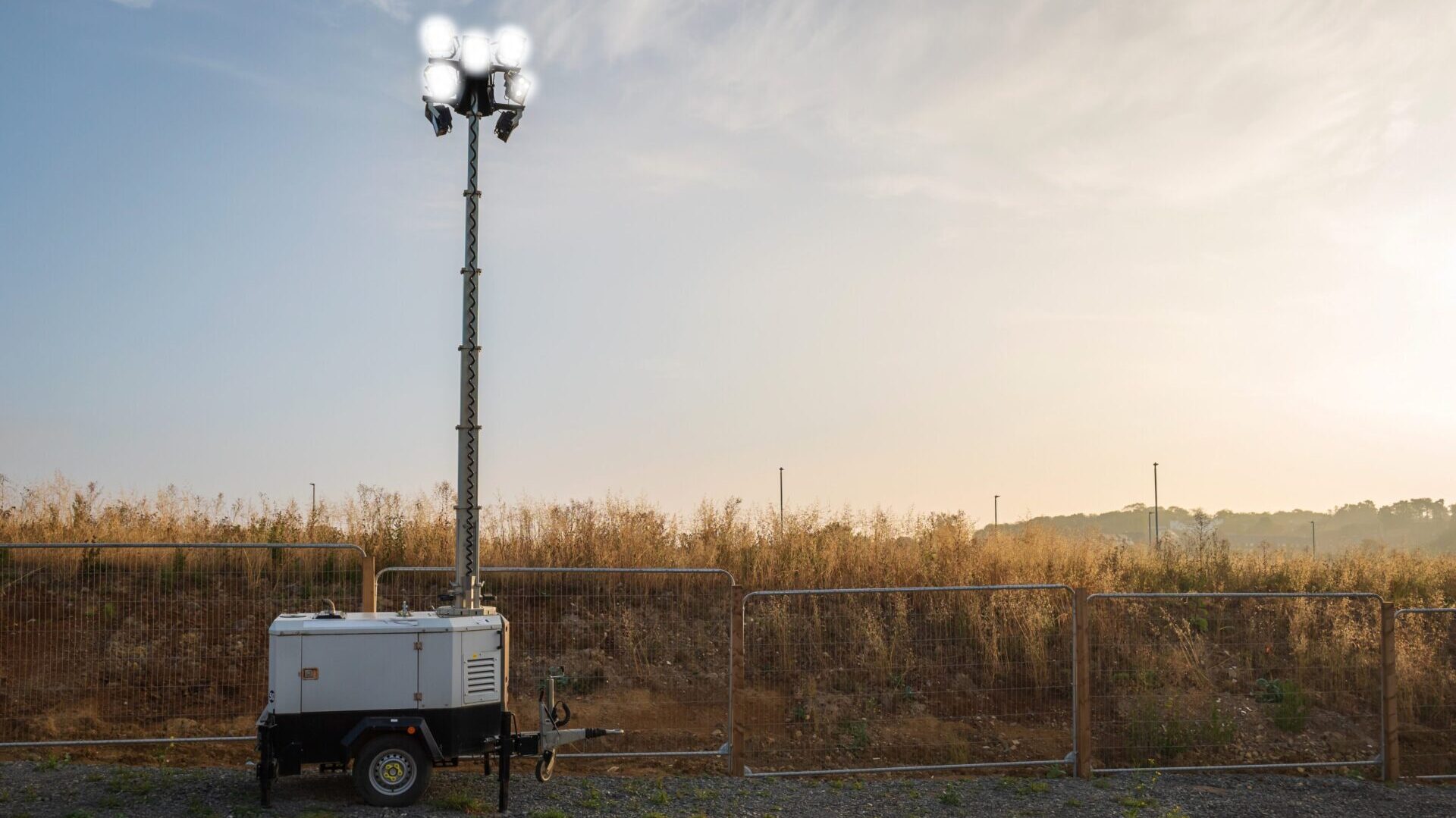
Tower blown over

Failed to start

Low utilisation
BENEFITS
Whether you’re managing a single lighting tower or a large fleet across multiple sites, remote management provides the visibility needed to improve utilisation, reduce site visits and ensure equipment is ready when it’s needed.
Reduce Site Visits
View location, fuel level, battery condition and operating status remotely.
Improve Fleet Utilisation
Know which towers are operating, idle or available for redeployment.
Prevent Downtime
Receive alerts before low fuel, flat batteries or faults interrupt operations.
Simplify Fleet Management
Track operating hours and schedule servicing based on actual usage.
Protect Valuable Assets
Monitor location and receive alerts if equipment moves unexpectedly.
ASSOCIATED applications
Many of the technologies used to monitor and manage lighting towers also apply to other forms of remote powered infrastructure. Senquip provides a common platform that can be adapted to each application.
Lighting tower
Monitor location, lighting status, fuel level, battery condition and operating hours.
Communications tower
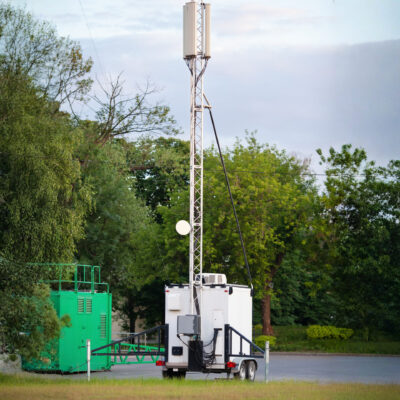
Monitor power systems, battery condition, cabinet temperature and site availability.
Surveilance tower
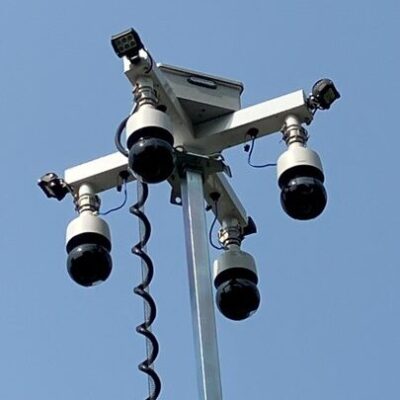
Monitor power systems, lighting, communications and equipment location.
Solar & Hybrid Towers
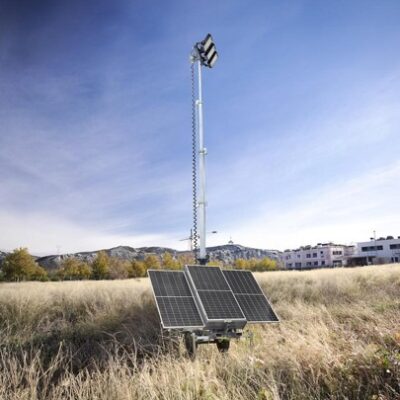
Monitor solar charging, battery condition and backup power systems.
Mobile Road Signs
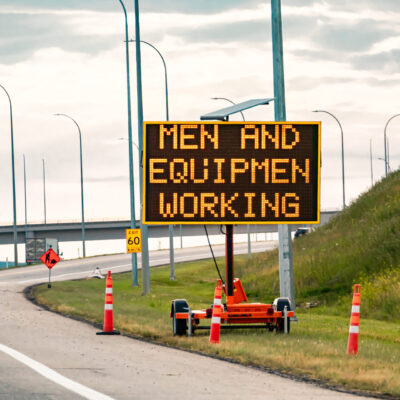
Monitor power systems, battery, sign status and location, and remotely update messages.
WHAT YOU CAN MONITOR
Engine

Engine hours
Engine speed
Fuel level
Oil pressure
Coolant temperature
Battery voltage
Fault codes
Tower

Light status
Mast deployed
Generator status
Solar charge
Battery condition
Cabinet temperature
Rollover
Site

GPS location
Ambient temperature
Movement
Power availability
Communications status
Site alarms
Variable message update
WHAT YOU CAN Control
Remote Start/Stop
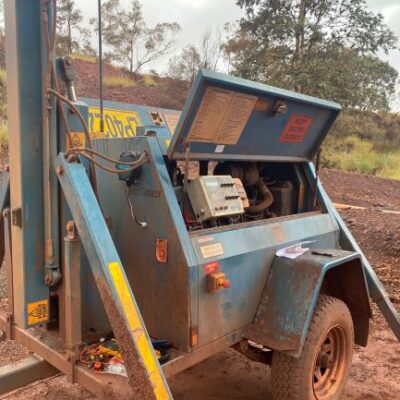
Start and stop lighting towers remotely using relay outputs, Modbus or CAN. Commands can originate from the Senquip Portal, your SCADA system or your own cloud platform.
Hybrid Power Management
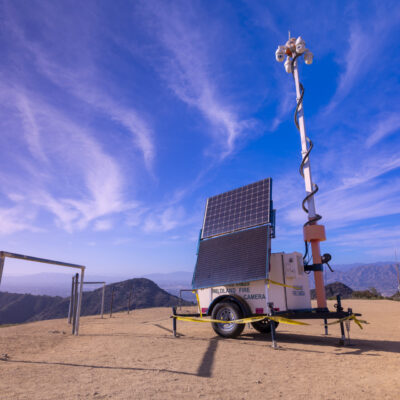
Control generator operation based on battery voltage or solar charging to maximise runtime and minimise fuel usage.
Lighting Control
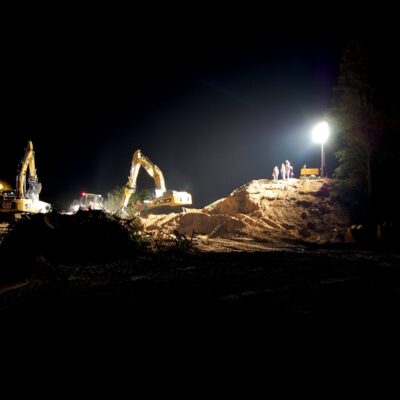
Turn lighting circuits on or off remotely or automatically based on schedules, ambient light or customer requirements.
Automatic Tower Deployment
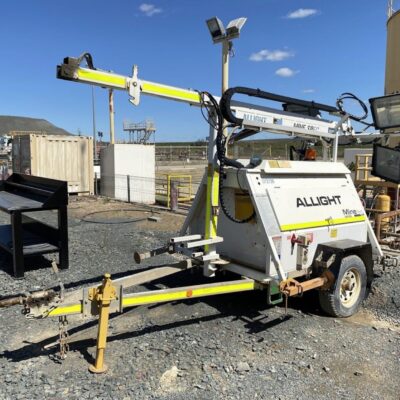
Automatically maintain tank or sump levels using configurable start and stop points based on continuous level measurement.
Automatic Scheduling
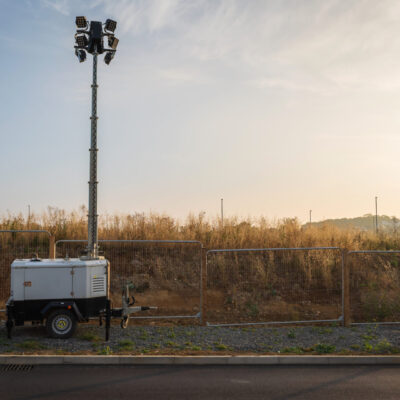
Automatically start and stop lighting towers based on time schedules or daylight conditions to reduce fuel consumption.
Message Update
Remotely update messages displayed on connected variable message signs, allowing operators to respond quickly to changing traffic conditions without travelling to site.
WORKS WITH YOUR EXISTING EQUIPMENT
Integrate with your existing engines, controllers and instrumentation. No rip and replace required.
ENGINE MANUFACTURERS








ENGINE CONTROLLERS



INTERFACES AND PROTOCOLS
J1939
RS485
Modbus
RS232
Voltage
4-20mA
Pulse
Frequency
Duty Cycle
Switch
Resistance
Reference
Accelerometer
GNSS
Bluetooth
Output
VSET
Tamper
Magnetic
Scripting
CAN Bus is the communication network used by modern engines, machine controllers and industrial equipment. A single network can carry hundreds of measurements, including engine speed, temperatures, pressures and fault codes. Senquip supports both Classical CAN and CAN FD for monitoring and control.
J1939 is the most common CAN-based protocol used by diesel engines and engine controllers. Senquip devices can decode standard and proprietary J1939 messages, making it easy to monitor engine performance, fuel consumption, fault codes and operating hours.
RS485 is a robust serial interface designed for long cable runs and noisy industrial environments. It is commonly used to connect sensors, PLCs, variable speed drives and other industrial equipment. Senquip supports RS485 for reliable data acquisition and control.
Modbus is one of the world’s most widely used industrial communication protocols and typically operates over RS485. Senquip typically acts as a Modbus Master, allowing it to read measurements from sensors, controllers and drives, and control compatible equipment. It can however act as a slave and pretend to be a sensor.
RS232 is a simple point-to-point serial interface found on many sensors, GPS receivers and legacy industrial devices. Senquip can capture serial data or communicate with compatible equipment for monitoring and integration.
Measure analogue voltages from sensors, battery systems and control circuits. Built-in calibration converts raw voltages into meaningful engineering units such as fuel level, pressure or temperature.
The 4–20mA current loop is the industrial standard for transmitting analogue measurements over long distances. Senquip connects directly to pressure, level, flow and many other process sensors with high accuracy and excellent noise immunity.
Count pulses from flow meters, water meters, rain gauges and other pulse-output devices. Senquip can also measure pulse frequency to calculate flow rates, speed and equipment utilisation.
Measure frequency outputs from sensors, magnetic pickups and rotating machinery. Frequency can be used to monitor speed, engine RPM, flow or any sensor that reports information as a pulse train.
Measure the percentage of time a digital signal is ON compared with its total cycle time. Duty cycle is commonly used for PWM control signals, proportional valves and electronically controlled actuators.
Monitor simple ON/OFF signals such as float switches, pressure switches, engine run signals, alarm contacts and door switches. Ideal for detecting machine state, alarms and equipment status.
Connect resistive sensors such as fuel level senders directly to the device. Senquip provides a precision excitation current and automatically calculates sensor resistance for accurate level measurement.
Generate a precision 0–10V reference output for controlling variable speed drives, proportional valves and other equipment requiring an analogue control signal. Output voltage can be adjusted locally or from a script.
The integrated three-axis accelerometer measures movement, tilt and vibration. It can detect machine operation, harsh impacts, excessive vibration and equipment orientation without additional sensors.
ntegrated GNSS provides accurate position, speed and time using GPS, Galileo, GLONASS and BeiDou satellites. Ideal for asset tracking, geofencing, utilisation monitoring and theft prevention.
Receive data wirelessly from Bluetooth Low Energy (BLE) sensors and beacons. Monitor temperature, pressure, humidity, battery status and many other parameters without additional wiring.
Each multifunction I/O can switch power, ground or configurable voltages to control relays, valves, lights and other field devices. Outputs can be operated from settings, scripts or remote commands.
VSET provides a configurable supply voltage for powering external sensors directly from the Senquip device. It is ideal for switched sensor power in low-power and solar-powered applications.
An integrated tamper switch detects when the enclosure is opened. Tamper events can generate immediate alerts, providing additional security and a record of authorised or unauthorised access.
An internal magnetic switch allows the device to wake up, enter setup mode or trigger custom functions without opening the enclosure. Simply place a magnet over the marked position on the device.
Senquip devices include an onboard JavaScript engine for local automation and custom data processing. Create application specific control logic, decode proprietary protocols and automate machines—even without network connectivity.
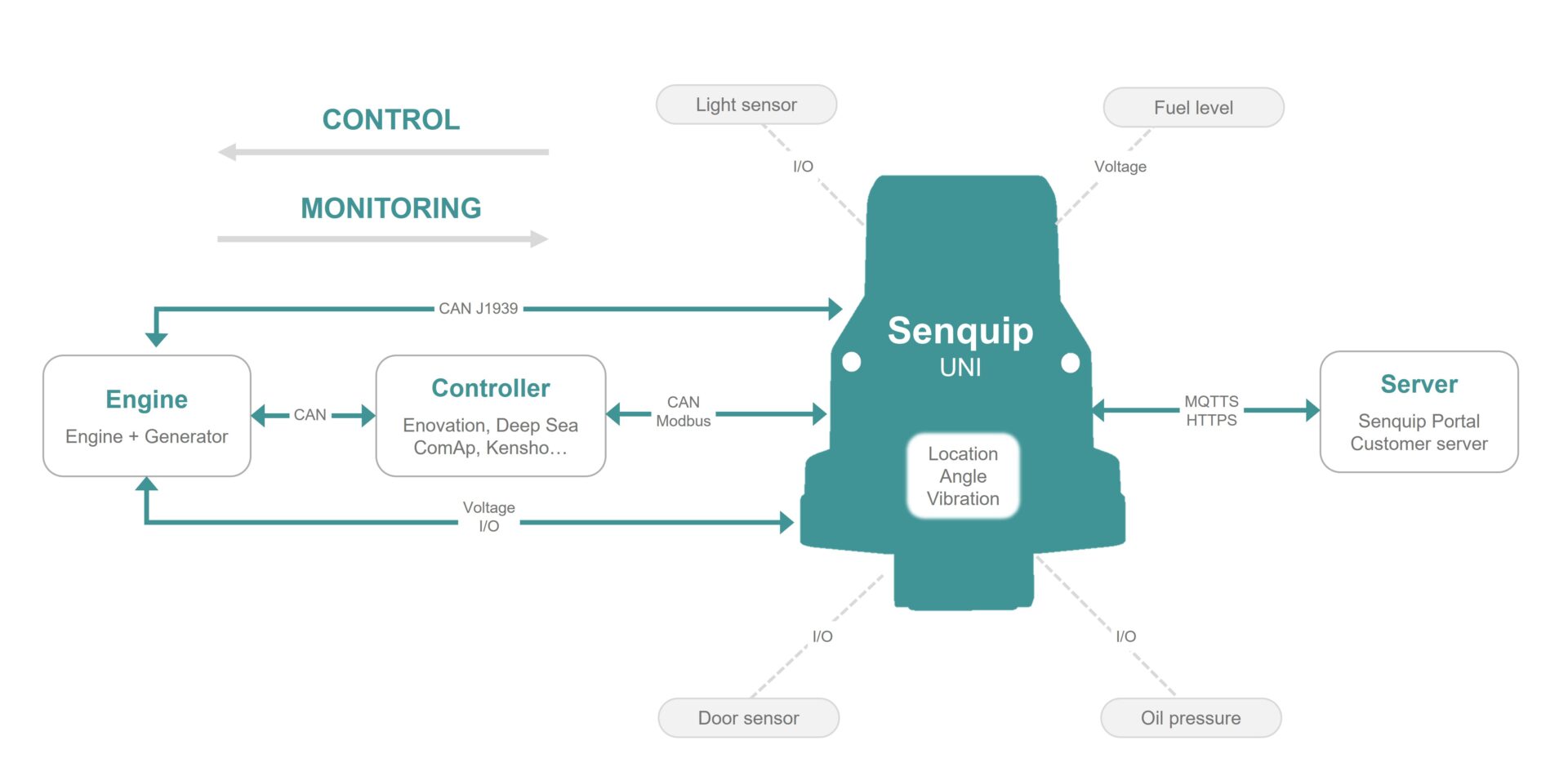
TYPICAL LIGHTING TOWER MONITORING AND CONTROL ARCHITECTURE
Most lighting towers already include an engine controller, battery charging system and lighting controls. Senquip connects directly to these systems using CAN, Modbus, RS485 and analogue I/O while adding GPS, wireless sensors and cloud connectivity.
Recommended Products
Every lighting tower application is different, but most require engine monitoring, equipment status, GPS tracking and remote control. Senquip devices integrate with existing engine controllers and electrical systems, making it easy to add telemetry, automation and fleet management without redesigning the machine.
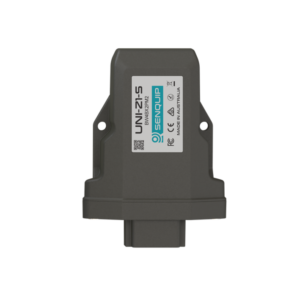
Senquip UNI
Cost-effective telemetry for OEMs and fleets. Ideal for repeatable machine designs deployed at scale.
Learn More
Suitability: ⭐⭐⭐⭐⭐
Designed for OEM lighting towers, communications towers and surveillance towers.
Production ready – Compact design with an integrated Deutsch connector for easy installation.
Controller integration – Ideal where the engine or lighting controller already provides most operating data.
Custom automation – JavaScript scripting enables application-specific monitoring and control.
Built for OEMs – Rugged IP67 enclosure with integrated antennas and global connectivity.
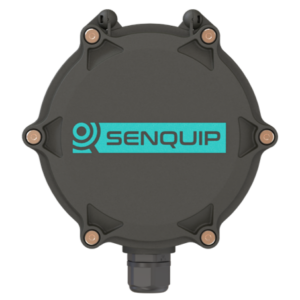
Senquip ORB
For remote, power-constrained sites where assets are exposed to heat, dust, and vibration and must run unattended. Learn More
Suitability: ⭐⭐⭐⭐⭐
Designed specifically for remote lighting towers and mobile site infrastructure.
Flexible integration – Connect directly to engines, lighting controllers and industrial protocols.
Connect more sensors – Monitor fuel level, battery voltage, mast position, door switches and environmental sensors.
Advanced control – Ideal for remote lighting control, automation and local JavaScript scripting.
Built for exposed sites – IP67 enclosure, internal antennas and a large backup battery make it ideal for unattended outdoor installations.
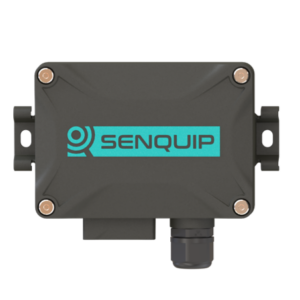
Senquip QUAD
For complex industrial machines and mixed fleets where deep integration and control is required.
Learn More
Suitability: ⭐⭐⭐⭐⭐
Ideal for hybrid lighting towers, communications towers and complex infrastructure projects.
Everything ORB offers – Plus dual CAN buses for additional engine and sensor networks.
Complex integration – Ideal where multiple CAN networks or advanced machine interfaces are required.
Advanced control – Supports sophisticated automation, scripting and multiple control strategies.
Flexible installation – External antennas allow installation inside metal control cabinets and electrical enclosures.
Senquip Portal
A secure portal for viewing data, data storage, remote configuration, firmware updates, and user account management. Learn More

Suitability: ⭐⭐⭐⭐⭐
Ideal where customers need a complete remote monitoring and fleet management solution.
Flexible plans – Free and hosted options to suit different deployments.
Manage – Organise devices into groups and create custom dashboards.
Monitor – View live data, trends, charts and infographics from anywhere.
Configure – Remotely update settings, deploy scripts and install firmware.
Integrate – Connect to your own server directly or use the Senquip API.
Useful RESOURCES

CASE STUDY
?????
Discover how Australian farmers eliminated unnecessary site visits while protecting pumps, engines and water. Learn More
APPLICATION NOTE
Geofences in a Script
Find out how to implement simple circular geofences and more irregularly shaped areas such as industrial facilities, or exclusion zones. Learn More

APPLICATION NOTE
Using a Senquip Device as a Day Night Controller
Automatically control equipment using calculated sunrise and sunset times.
Learn More
Contact us
Corporate Office
755 Hunter St,
Newcastle West, NSW 2302,
Australia
Delivery Address
Unit B, 15 Soldiers Point Road,
Soldiers Point, NSW 2317,
Australia